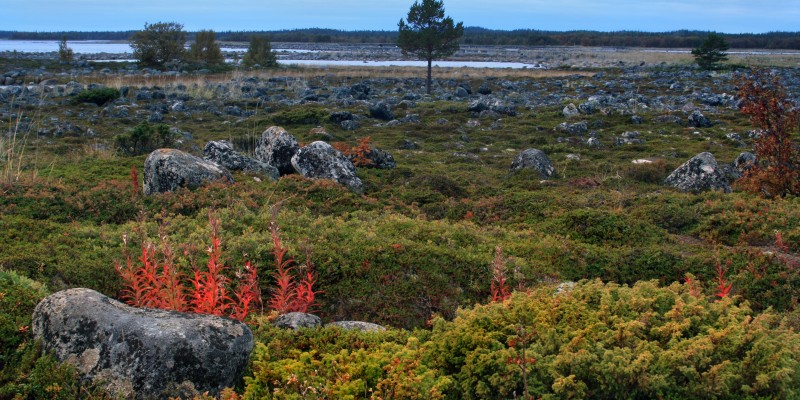
 …needleleaf forests, tundra and farmland would actually release lower levels of water into the atmosphere. And since water in the atmosphere helps lower daytime temperatures, this means that temperatures would rise even higher than the models suggest…“We often underestimate the role of vegetation in extreme temperature events as it has not been included in enough detail in climate models up to this point,” Dr Kala said…“These more detailed results are confronting, but they help explain why many climate models have consistently underestimated the increase in intensity of heat waves and the rise in maximum temperatures when compared to observations.”… bottom line is, the scientists conclude, that there could be increases of 5°C by 2040 to 2059, and these increases would be “additive to those likely caused by increasing greenhouse gases over the same period.”
Note – this follows recent posts about human damage to other high value wetland ecosystems, also indirect damage when flora is out of synch with migratory birds, bees and others important in fertilisation for flora survival.
>more> ClimateNewsNetwork

 groundswell bass coast climate change renewable energy